Blog

Sustainable Tourism

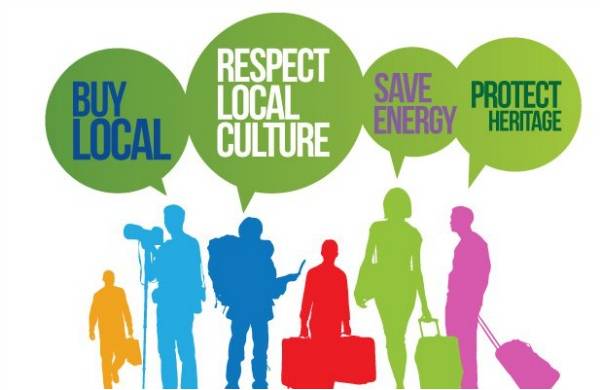
What is sustainability when it comes to the service industry and tourism and why should we care about this? There are multiple ways of looking at sustainability when looking at these areas. When most people think about sustainability, most likely the first thing that will come to their minds, is the environment and the nature, and the effects on these. Whilst this is also true it is not the only thing we need to think about when talking about sustainability in this industry.

Because many countries are continuously developing their tourism industry, they are producing a significant impact on not only natural sources and pollution but also social systems and causing loss of cultural heritage and creating economic dependence. The tourism industry has on a global scale reached very high levels of demand. In 2012, the number of tourist crossing borders internationally reach over one billion for the first time in history to UNTWO. These factors indicate a need for a responsible and sustainable plan for the industry.

Environmental Sustainability

For obvious reasons, the environment is a very important factor to tourism. This includes not only the natural aspect like beaches, waters, forests etc. but also buildings and historic monuments and ruins. It is important for all the above to be maintained and preserved to be environmentally sustainable and usable for generations of the future. Pollution of land and water from waste by tourists and tourist businesses can affect not only tourism destinations and their surroundings greatly but the climate in general. Accounting for 5% of global CO2 releases, the tourism industry is taking a toll on the environment.

Socio-cultural sustainability

When cities and areas become a tourist destination and is continuously visited by tourists, there will be social and cultural impacts on the community. We see this in the shape of overcrowding, new languages and values creating a threat to the local´s cultural traditions and values and essentially creating a feeling of loss of cultural heritage. Other things could be increase in crime and employment of immigrants for tourist related jobs, taking the jobs from the locals. To minimize the negative impacts of this and create socio-cultural sustainability we need to embrace and preserve local traditions and get the locals involved in the tourism industry in their area. Getting locals involved in the tourism gives them a chance to show how proud they are of their culture, creating a better atmosphere and energy between the host and tourist and it also gives a better, more natural, and authentic experience for the tourist.

Economic sustainability

Probably the most important sustainability factor in the tourism industry because money keeps tourism going. Keeping a tourist destination economically sustainable means local businesses. Meaning that if all hotels, restaurants where operated and owned by foreign businesses it will most likely not be helpful to the local community´s economy and the money will go elsewhere. When trying to have an economically sustainable community within a tourist destination, the locals should be involved in the businesses and the community should benefit from the financial profit.

Why should we care about sustainability tourism and does it matter?

The obvious and clear answer should be YES. Why? At the end of the day tourism is about people. As people, we should care about and respect each other and the surroundings and cultures we live in and come from. It is not a one-way street. Sustainable tourism benefits everyone from the tourist to the locals to the environment. It will benefit the local community with their businesses, economic and cultural pride. It will help the environment by preserving nature, history and natural sources that are not renewable. And It will give the tourist an honest view of the area and see the truth about the culture and history of the place they are visiting. To sum it up – It is good for humanity and earth – what is not to like, let´s do it!


http://icr.unwto.org/content/guidebook-sustainable-tourism-development

https://landlopers.com/2011/12/25/sustainable-tourism-definition

https://www.theguardian.com/sustainable-business/sustainable-tourism-travel-industry-duty

http://www.unesco.org/education/tlsf/mods/theme_c/mod16.html

http://sustainabletourism.net/wordpress/

http://epicureandculture.com/sustainable-tourism-care/


Themes in Tourism

The World Tourism Organization defines tourism as “activities of a person travelling to and staying in places outside their usual environment for not more than one consecutive year leisure, business and other purposes not related to the exercise of an activity remunerated from within the place visited”.

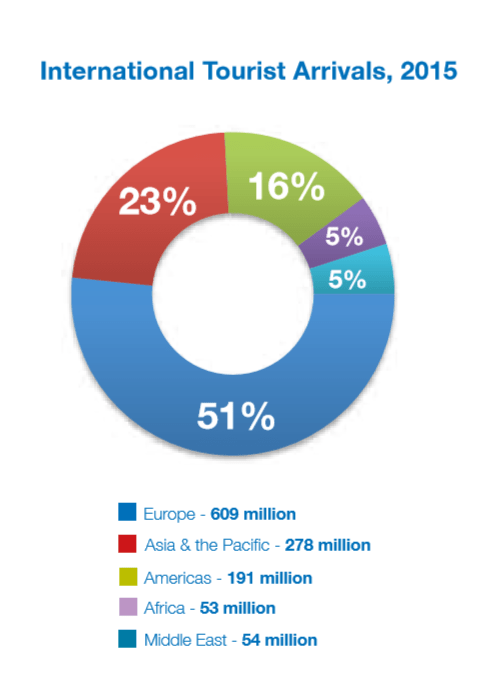
In this text, I will be taking a closer look in to the theme – different tourists within tourism. I will be looking in to the ways of a tourists for 2 reasons. Tourists are the key factors in the tourism system and the numbers are growing every year. The fact that tourism is such a big part of today´s business world makes tourists a very important factor. The numbers on the picture below from UNWTO´s annual report on tourism the numbers show the high number of tourists in 2015.tourist

What kinds of tourist do we have? I think it is safe to day that the list of different kinds of tourists existing is too long to even begin to cover, but these are probably some of the most common and relatable types of tourists.

The business tourist:  The type of tourist travelling for business relations. This could be anything from a salesman promoting a product to a pop singer performing and thereby promoting themselves and their music.

The educational tourist:  The educational tourist travels to a specific area or place in another city or country to improve their educational skills. This could be people going away for internships, workshops, cultural exchanges etc.

The adventure tourists: An adventure tourist is the type of tourist has a need for something out of the ordinary. Some unusual, adventurous experience. This might involve dangerous activities like river rafting, rock climbing, skydiving, mountain biking, skiing and other thrilling activities. It could also be a hiker or something equivalent to that.

The cultural tourist:  The cultural tourist is the type of tourist that wishes to experience the essence of another culture. They prefer to go to cultural festivals, sightings and other things connected to the culture of the destination they are visiting.

Leisure Tourist: A Leisure Tourist is the type of tourist that enjoys rejuvenating with comfort and wants a break their everyday routines by going on a relaxing vacation. That could be by going on a beach vacation, a cruise, or some other relaxing activity.

Sport and recreation tourist: This type of tourist like to take active part in sport events either by being part of it themselves or being an audience at popular sporting events like world cups, championships etc.

Backpackers and youth tourists: This kind of tourists are usually of younger age. The characteristics of this kind of travelers is that they travel on a limited budget and with a minimal amount of luggage. They tend to be very passionate and excited about nature and adventures and often travel independently.

These different types of tourist are very different but do have some things in common, one them being the element of escaping. Escaping your everyday life and seeking the things you do not have at home. The difference is what they seek.

http://www.hotelresortinsider.com/news_story.php?news_id=139465

http://blog.virtuoso.com/tips-and-trends/10-powerful-reasons-why-people-love-to-travel/

http://www.careerigniter.com/questions/what-are-the-different-types-of-tourism/

http://www2.unwto.org/publication/unwto-annual-report-2015

http://tourism.gov.in/sites/default/files/Annual%20Rreport%202015-16.pdf

http://www.tourismsociety.org/page/88/tourism-definitions.htm


The tourism system

When talking about the tourism system, we can look in to how tourism works and what different components are within in. Tourism is basically made up of different interrelated components working together to achieve a common purpose.

The World Tourism Organization (WTO) defines tourism as: “Activities of persons travelling to and staying in places outside their usual environment for not more than one consecutive year leisure, business and other purposes not related to the exercise of an activity remunerated from within the place visited”. This gives us a basic understanding of what tourism is, but within this statement lies different components.

The tourist – The tourist is obviously the key player in the tourism. It is all about the experience of the person going somewhere that is out of their natural and usual environment. Weather it is for business, leisure or whatever it may be the tourist is always the most important aspect. There are many different types of tourist with many different purposes, needs, expectations and opinions. A tourist´s purpose of travel can be anything from business reasons, religious reasons, leisure, cultural or educational reasons.

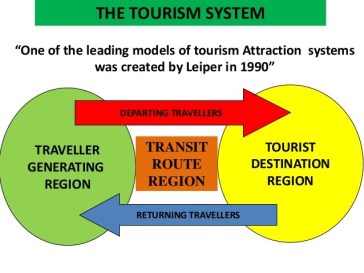
The geographical aspect – When looking at this part of tourism we can also look at one of the leading models used in while talking about the tourism system, Leipers model. In his model Leiper breaks down 3 regions. 1: The traveler/tourist-generating region. This is the area where what we can call the push factors exist. These are the things that motivates, inspires, and stimulates the tourist and encourages them to travel. It is here that the tourist seeks his information, makes reservations and it is also where he makes his departure from. When looking at it from a business point of view this would be the demand aspect of tourism. 2: The tourist destination region. Opposite the tourist-generating region this is the region with the pull factor. This is where the tourist submerses into the destination and the most impact of the tourism is.  The pull factors activate the tourism system by generating returning tourist going back to the tourist-generating region.

Leiper
3: The transit route region. This symbolizes the in between places. This could be where the tourist might have visited on the way to their desired destination. It is also the time spend travelling to the destination.

The third component of tourism besides the tourist and the geographical part is the tourism industry consisting of the many various businesses, organizations, and suppliers of the tourism product.  You can apply these to Leipers model as well. That means that businesses like tour operators and travel agents would be in the tourist-generating region being the motivators. Other businesses like attractions, hotels and other hospitality businesses are positioned in the tourist destination region. The transport industry is mostly positioned in the transit route region of Leipers model but obviously overlaps in the first and last part as well.

The tourism system has many aspects that all affect each other and are depending on each other.

According to Leiper´s tourism system model there is not only interaction between the tree elements, but also other sectors. Factors such as the ones that produces and delivers the tourism product as well as the many backgrounds that influences tourism activity.


https://opentextbc.ca/introtourism/chapter/chapter-1-history-and-overview/

http://www.shareyouressays.com/93599/3-important-elements-of-tourism

https://www.slideshare.net/RahulKaurav/concept-of-tourism-tourism-system-38391715

http://www.iztzg.hr/en/odrzivi_razvoj/sustainable_tourism/

https://books.google.dk/books?id=DP9y1uOzYecC&pg=PA32&lpg=PA32&dq=tourist+generating+region&source=bl&ots=YwQEN0c-_X&sig=Gm-9yw4hCzyqgOnP2Cc1gvDRENc&hl=da&sa=X&ved=0ahUKEwiLopmskNbTAhUoJ5oKHQPaCrYQ6AEIXDAH#v=onepage&q&f=false

http://www.hotelresortinsider.com/news_story.php?news_id=139465


Technology in the tourism industry

It is safe to say that technology is the fastest growing trend that the service/tourism/hospitality industry has ever seen. Technology is slowly taking over from the basic human interaction and creating a faster, easier, cheaper, and almost instant way for the customers get to the desired product.

Anything is at reach on the internet today. Weather is getting a pizza, getting tickets for a concert or booking a vacation, you can find it on the internet and get it with very little effort and without interaction with another person. The internet has become such a big part of our lives and most people carry a device at all time that has access to the internet. The power that the internet has in the tourism and hospitality industry is tremendous. Businesses uses the internet long before the costumers get to their website/business, with advertising, promotions and photos on social media, apps etc. The costumer is then directed to websites, blogs, online booking sites etc. that will get them a taste of the product and get them hooked and convinced on choosing their product.

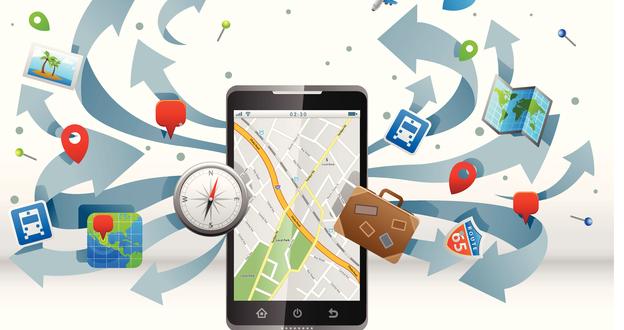
Online booking and reservation systems saves the costumers and businesses time and money. It allows customers to compare prices and give them a sense of control over the buying process. Businesses save money by reducing call volume and staff hours, thereby increasing revenue.  As seen on the picture below from World Travel Markets Global Trends Report from 2016, we can see that online booking is a big trend and the use of the internet in the service industry is expected to grow in the future.

Furthermore, technology is a big money and time saver, not only for businesses by cutting down staff hours but also for customers. Saving time and money has become a key thing in the world today. The costumers are basically getting more responsibility. Instead of staff helping them make decisions and guiding them, customers spend their own time finding the right product and booking it themselves. For most people this has become the best way because they can control everything themselves.

Businesses like hotels are using more technology such as better, faster, and more advanced reservations and check in systems, smart keys and even robots in some parts of the world. Some hotels have databases that allows them to keep track of visitor’s preferences of room choice, beverage choice, temperature in room etc. which can help the visitor have a more personalized next stay at the hotel. Other things like in-room technology such as IPads makes it possible for the guest anything from making dinner reservations to controlling the room environment. Hotels who uses this can increase in-room spending by using flash promotions though the IPads.

One thing that cannot be left unmentioned is the role of social media – one of the fastest growing tools for internet marketers. A survey from “worldwide social network” from 2013 showed that about 25% of the worlds populations was using social media daily. Because so many people carry smartphones, IPads or laptops at most times, social media is always on the hand. It is therefore necessary for any businesses to stay visible on social media and a great way promote your business. But there is a disadvantage to marketing on social media. It does allow customers to express their opinions or complain about the product in a public setting and marketers must be ready to answer to their products and services.

Where are we going with all this technology? While technology in most situations is a helpful tool one could wonder where it is taking us. Things like Wi-Fi is has become a necessity, interaction between people are being replaced by machines and robots and the costumers needs and expect are becoming higher and higher. Will technology eventually take over the service industry and fully replace interaction between people? I think that is the direction we are going in – but only time will tell.


http://smallbusiness.chron.com/technology-used-hospitality-tourism-31033.html

http://www.hoteliermiddleeast.com/30008-technology-in-travel-and-tourism/

http://www.besthospitalitydegrees.com/faq/how-does-technology-affect-the-hospitality-industry/

http://www.aurecongroup.com/en/thinking/insights/aurecons-successful-hotels/technology-in-the-hospitality-industry-exploring-the-very-latest-trends.aspx

https://www.weforum.org/agenda/2015/10/qa-how-will-technology-transform-tourism

http://www.e-unwto.org/doi/pdf/10.18111/9789284414567

http://london.wtm.com/RXUK/RXUK_WTMLondon/2016/PDFs/GTR%20FINAL%20FINAL%20ok.pdf?v=636141971929175057&v=636141971929175057

http://ec.europa.eu/eurostat/statistics-explained/index.php/Statistics_on_ICT_use_in_tourism